
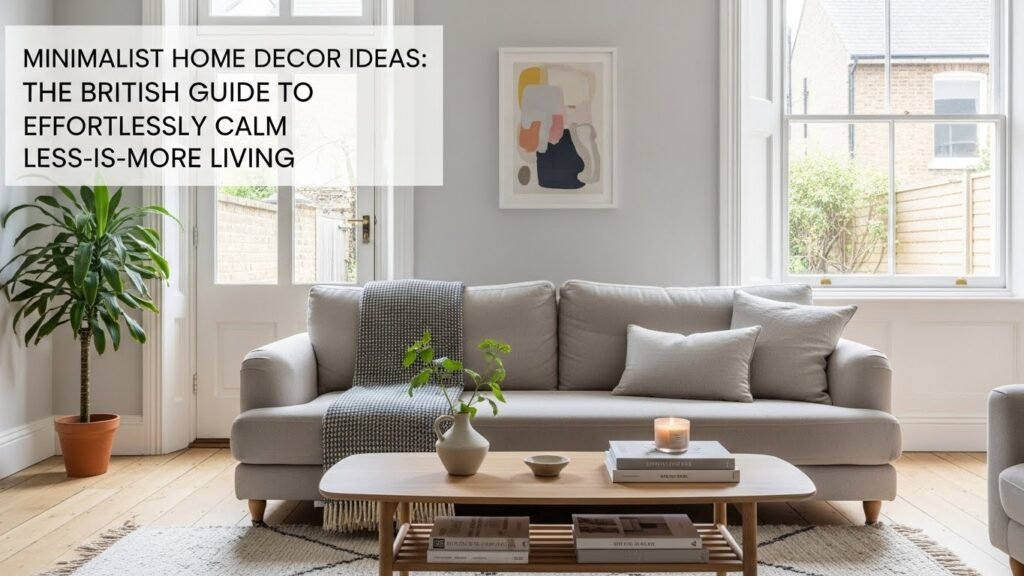
Minimalism isn’t about deprivation or austere emptiness. It’s about intentionality—keeping only what brings you joy or serves a purpose, surrounding yourself with quality over quantity, and creating peaceful spaces where nothing competes for attention.
British homes can embrace minimalism beautifully whilst maintaining warmth and personality. This guide shares how to create minimalist interiors that feel peaceful and inviting rather than cold or institutional.
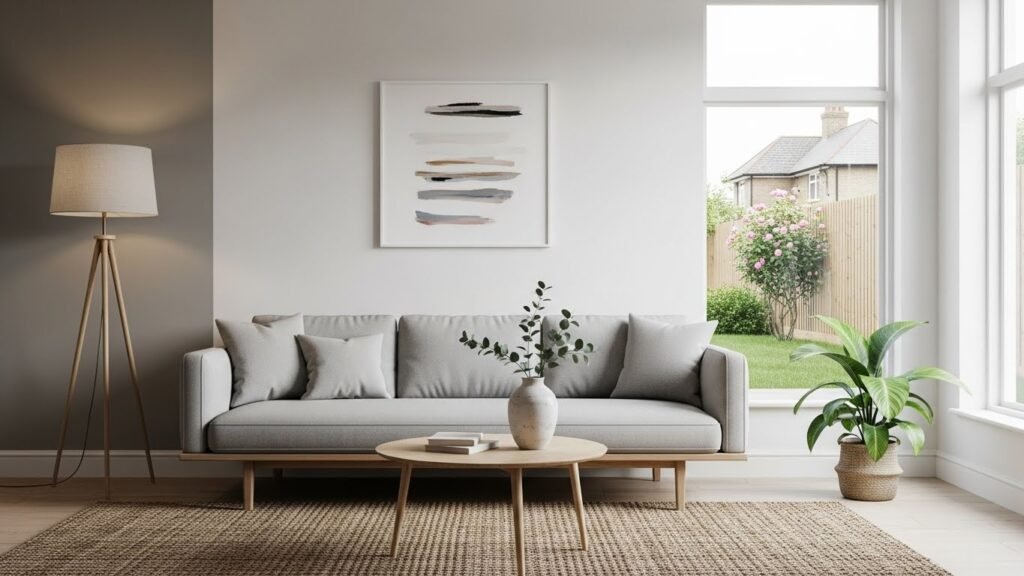
The Minimalist Philosophy
Minimalism differs from merely having less stuff. It’s:
-
Intentional: Every item serves a purpose or brings joy
-
Quality-focused: Few excellent pieces beat many mediocre ones
-
Purposeful: Clear reasoning behind every element
-
Peaceful: Visual simplicity creates mental calm
-
Personal: Your minimalism reflects your needs, not Instagram aesthetics
Minimalist homes feel serene, organised, and genuinely restful.
Decluttering: The Foundation
Minimalism begins with ruthless decluttering.
Decluttering strategy:
-
Room by room: Tackle one space completely before moving on
-
Category method: Group similar items (clothes, books, kitchenware)
-
Ask hard questions: Do I use this? Does it bring me joy? Why am I keeping it?
-
One-touch rule: Handle each item once—keep, donate, or discard
-
Sentimental items: Limit these strictly; take photos if keeping is impractical
-
Regular maintenance: Monthly reviews prevent re-accumulation
This isn’t easy—we’re emotionally attached to belongings. But the resulting clarity is worth the effort.
Minimalist Colour Palettes
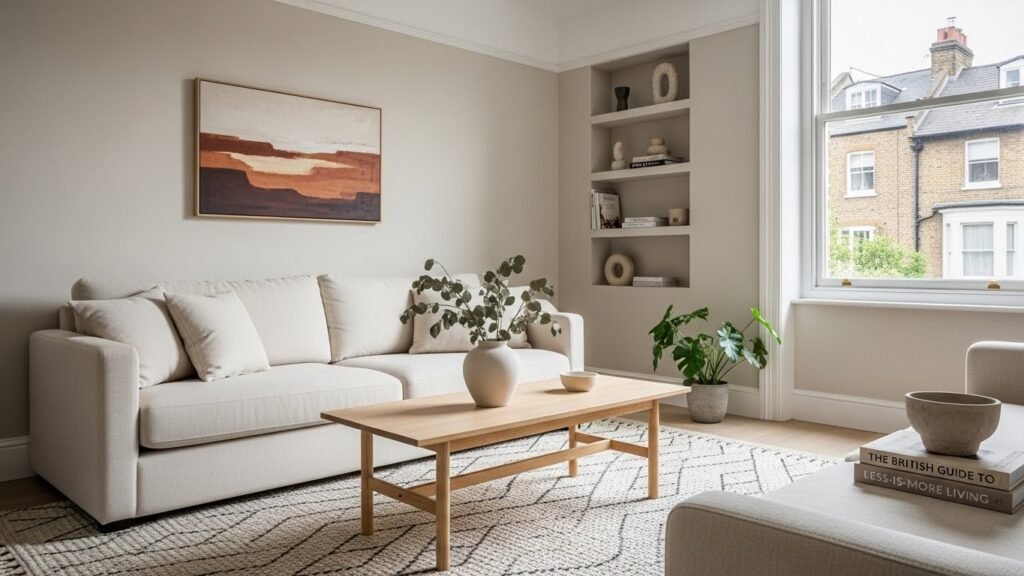
Minimalist interiors often use limited colour palettes, but these palettes needn’t be sterile.
Minimalist colour options:
-
Warm neutrals: Cream, warm grey, taupe, caramel (feels welcoming)
-
Cool neutrals: White, cool grey (feels contemporary, can feel cold)
-
Monochromatic: Various tones of one colour (sophisticated, peaceful)
-
With accents: Mostly neutrals plus 1–2 accent colours used throughout
The key? Limit your palette to 3–4 colours maximum. Consistency creates calm.
Furniture Selection for Minimalism
In minimalist homes, every furniture piece matters.
Minimalist furniture principles:
-
Multifunctional pieces: Each item serves multiple purposes
-
Quality over quantity: Few excellent pieces beat many mediocre ones
-
Clean lines: Avoid ornate or fussy designs
-
Appropriate scale: Furniture should fit your space proportionally
-
Natural materials: Wood, metal, and leather age beautifully
-
Neutral colours: Keep focus on form rather than pattern
Minimalist furniture is often timeless and sustainable—pieces you’ll keep for decades.
Storage and Hidden Clutter
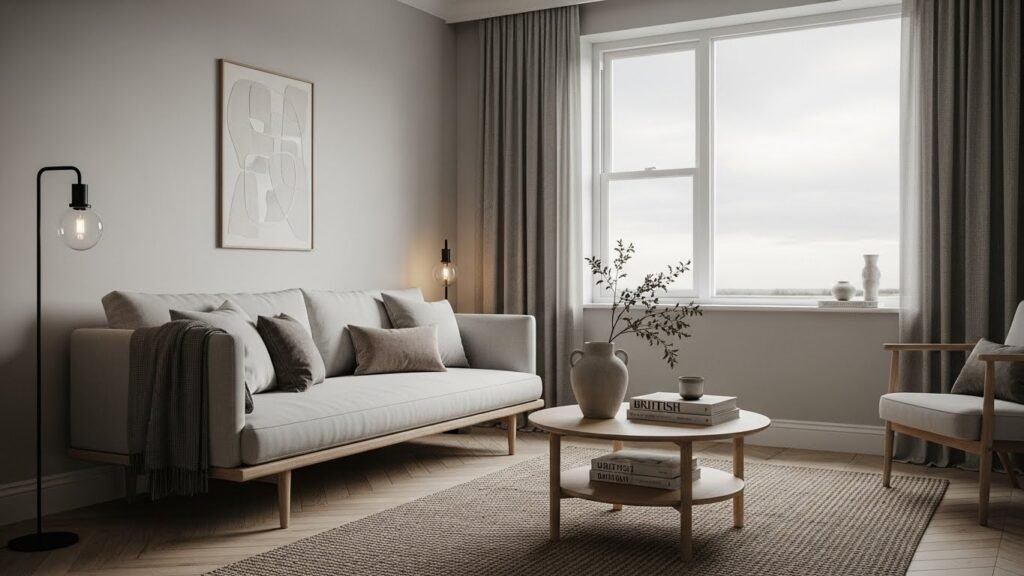
A minimalist home requires excellent storage—clutter hidden away doesn’t create a minimalist feeling.
Minimalist storage:
-
Sufficient storage: Homes need adequate storage for functioning
-
Closed storage for daily items: Drawers, cabinets, closets hide daily clutter
-
Beautiful storage for display items: Open shelving displays only carefully chosen items
-
Vertical storage: Utilises walls without consuming floor space
-
Consistent organisational systems: Label drawers, categorise items
With proper storage, minimalist spaces remain peaceful and uncluttered.
Walls and Flooring
Minimalist interiors keep walls and flooring simple.
Wall treatment:
-
Mostly plain: Painted walls in neutral tones
-
Minimal artwork: 1–3 carefully chosen pieces rather than gallery walls
-
Architectural features highlighted: If beautiful, showcase; if plain, leave alone
-
Avoid patterns: Keep walls in solid colours
Flooring:
-
Natural materials: Wood, stone, concrete
-
Neutral colours: Support minimalist aesthetic
-
Minimal rugs: One or two if needed, simple designs
-
Clean surfaces: Flooring should feel spacious and unobstructed
Lighting in Minimalist Spaces
Minimalist lighting is functional and aesthetically simple.
Minimalist lighting:
-
Multiple functional light sources: Rather than statement pieces
-
Clean-lined fixtures: Avoid ornate designs
-
Natural light maximised: Minimal window treatments allow light through
-
Dimmers: Adjust mood and energy usage
-
Warm bulbs: 2700K prevents a cold, clinical feeling
Good lighting is essential in minimalist spaces—without visual complexity, lighting becomes more noticeable.
Window Treatments
Minimalist interiors keep windows as clear as possible.
Window treatment options:
-
Bare windows: If privacy isn’t required
-
Minimal sheer curtains: Allow light through, soften the view
-
Roman blinds: Clean lines, hidden when raised
-
Wooden shutters: Minimalist, if simple design
-
Roller blinds: Contemporary, streamlined
Avoid heavy drapes or patterned treatments that add visual complexity.
Artwork and Decoration
Minimalist art is carefully considered.
Minimalist artwork approach:
-
Single large pieces: One strong artwork versus many smaller ones
-
Limited gallery walls: 2–3 related pieces rather than extensive displays
-
Consistent framing: Matching frames create cohesion
-
Photography or abstract: Often suits minimalist aesthetics better than busy figurative art
-
Negative wall space: Much of the walls remain empty
Every artwork should earn its place visually.
Plants and Natural Elements
Plants add life to minimalist spaces without clashing aesthetically.
Minimalist plant approach:
-
Few plants strategically placed: Quality over abundance
-
Simple pots: Neutral-coloured ceramic or metal
-
Trailing plants: Often work better than bushy arrangements
-
Architectural plants: Those with interesting forms (fiddle leaf, snake plant)
Live plants connect minimalist spaces to nature elegantly.
Textiles and Comfort
Minimalist homes need textiles for comfort, kept intentionally.
Minimalist textiles:
-
Quality fabrics: Natural materials (cotton, linen, wool)
-
Neutral colours: Align with overall palette
-
Minimal cushions: 2–4 per sofa rather than many
-
One or two throws: Functional and decorative
-
Quality bedding: Fewer pillows, premium materials
Textiles provide warmth without introducing visual chaos if colour-coordinated.
Kitchen Minimalism
Kitchens challenge minimalism—they contain many necessary items.
Minimalist kitchen approach:
-
Closed storage: Drawers and cabinets hide most items
-
Clear countertops: Only essentials displayed (perhaps a plant, oil, and vinegar)
-
Streamlined appliances: Neutral colours, clean lines
-
Quality utensils: Few, high-quality pieces rather than drawers full
-
Minimal decor: Perhaps one artwork
Kitchen functioning requires careful planning to maintain a minimalist aesthetic.
Avoiding Cold Minimalism
The minimalist pitfall: spaces feel sterile or unwelcoming.
Creating warm minimalism:
-
Warm colour palette: Cream rather than white, warm grey rather than cool
-
Natural materials: Wood, stone create warmth despite simplicity
-
Adequate lighting: Proper illumination prevents a cold feeling
-
Some personality: One or two meaningful items add humanity
-
Comfort prioritised: Soft seating, warm textiles, balance minimalism
Minimalism needn’t feel institutional. Warmth and personality coexist with simplicity.
Maintaining Minimalism
Minimalism requires ongoing maintenance—entropy constantly works against it.
Minimalism habits:
-
One-in-one-out rule: Every new item requires one leaving
-
Monthly reviews: Assess what’s actually being used
-
Resist acquisitions: Before buying, ask if it serves your minimalist vision
-
Organised systems: Everything has a designated home
-
Regular purging: Quarterly assessments prevent accumulation
Minimalist homes require discipline to maintain.
Conclusion
Minimalist decoration creates peaceful, intentional homes. By removing unnecessary items and focusing on quality, you create spaces that support wellbeing. Minimalism needn’t feel cold or joyless—British minimalism embraces warmth, natural materials, and subtle personality. The result is homes that feel calm, organised, and genuinely restful. That peace? It’s worth the effort.