
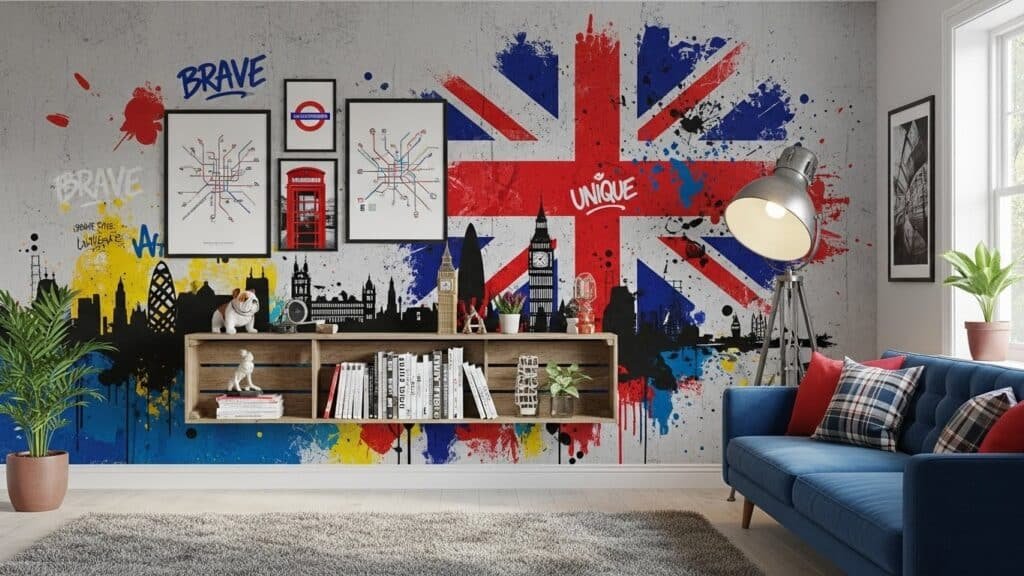
An accent wall is a single wall painted in a different colour, wallpaper, or pattern than the others—a focused statement without full commitment to a room-wide colour change. It’s perhaps the most approachable bold design move, providing significant visual impact with minimal risk. This guide reveals how to choose, execute, and style accent walls beautifully.
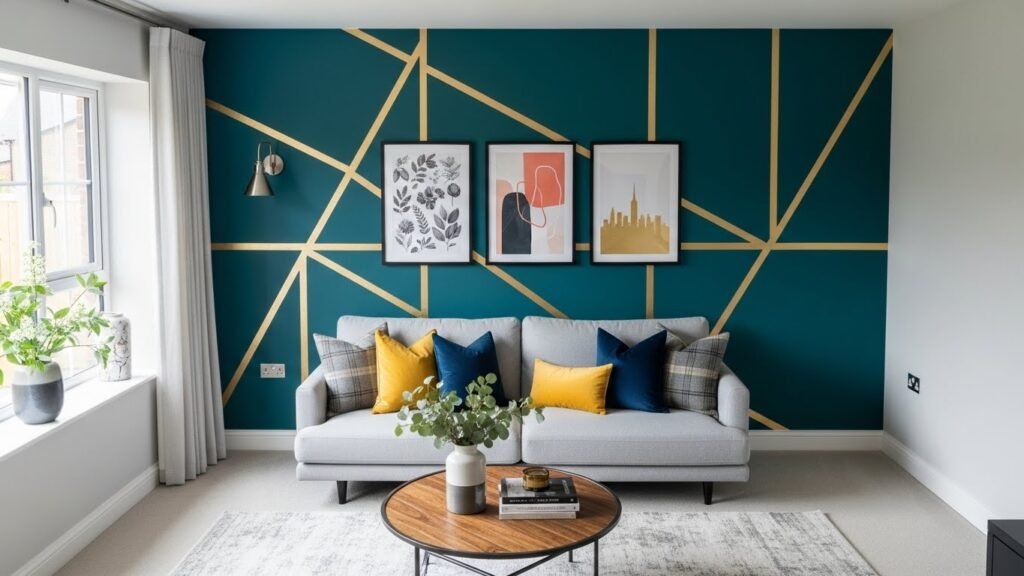
Understanding Accent Walls
Accent walls create focal points, add visual interest, and introduce colour with less commitment than full-room painting.
Accent wall benefits:
-
Lower commitment: Easier to change than painting the entire room
-
Focal points: Creates natural areas for attention
-
Colour testing: Try bolder colours, you might not commit to room-wide
-
Visual tricks: Can make spaces feel larger or smaller depending on placement
-
Interest: Adds design element without overwhelming
Accent walls are genuinely the perfect introductory bold move for hesitant decorators.
Choosing Your Accent Wall
Not all walls work equally well as accents.
Best walls for accents:
-
Wall behind sofa or bed: Natural focal point, visible from most seating positions
-
Wall opposite windows: Catches light, becomes naturally prominent
-
Wall with architectural feature: Fireplaces, built-in shelving, interesting moulding
-
Wall spanning room width: Creates more dramatic impact than narrower walls
-
Entry wall: Creates first impression
-
Feature wall with window: Natural light enhances colour
Walls to avoid:
-
Narrow walls: Less visual impact
-
Walls with multiple doorways: Interrupted feeling, less cohesive
-
Walls hidden behind furniture: If completely covered, visual impact is lost
-
Walls are overly broken up: Multiple windows or architectural elements compete with the colour
Choose walls that naturally draw attention.
Colour Selection for Accent Walls
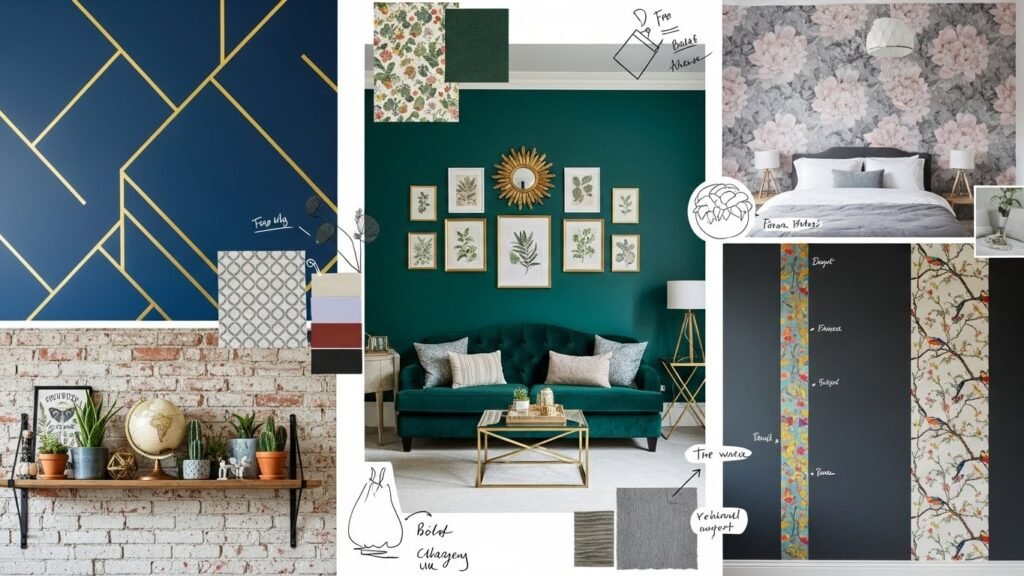
Accent wall colour should coordinate with the existing palette whilst adding something new.
Colour strategies:
-
Coordinating colour: Shade from existing palette deepened or lightened
-
Complementary colour: Opposite on the colour wheel (requires confidence)
-
Monochromatic approach: Multiple tones of the existing dominant colour
-
Unexpected colour: Bold choice that somehow works (often personal aesthetic)
Popular accent colours:
-
Deep jewel tones: Emerald, sapphire, burgundy, amethyst
-
Warm earth tones: Burnt orange, mustard yellow, deep terracotta
-
Moody grey-greens: Sophisticated, calming
-
Rich burgundy or wine tones: Elegant, traditional
-
Navy or charcoal: Contemporary, versatile
Accent Wall Alternatives to Paint
Paint isn’t the only option.
Accent wall treatments:
-
Wallpaper: Pattern adds significant visual interest beyond colour alone
-
Shiplap or panelling: Architectural interest, particularly charming in period homes
-
Textured wallpaper: Adds dimension and tactile interest
-
Large artwork or gallery wall: Creates an accent through art rather than colour
-
Reclaimed brick or exposed stone: If available in your home
-
Colour-blocking technique: Two coordinated colours separated by a horizontal line
-
Stencilled patterns: Add patterns to paint
These alternatives provide accent wall impact beyond colour.
Wallpaper as Accent Wall
Patterned wallpaper creates even more dramatic accent walls than solid colour.
Wallpaper accent benefits:
-
Pattern impact: Far more dramatic than solid colour
-
Texture addition: Wallpaper adds a tactile dimension
-
Temporary options: Peel-and-stick wallpaper is removable for renters
-
Personality: Wallpaper choice expresses personal style
Wallpaper patterns for accents:
-
Large-scale botanical: Statement-making, nature-inspired
-
Geometric patterns: Contemporary, structured
-
Damask: Traditional, elegant, formal
-
Stripes or checks: Classic, timeless
-
Grasscloth or natural materials: Textured, organic
-
Metallic accents: Catch light, add luxury
Wallpaper accents create a significantly more dramatic transformation than paint.
Colour Drenching vs. Accent Walls
These are often confused—understanding the difference matters.
Accent walls: A Single wall different from the room
Colour drenching: All surfaces (walls, ceiling, trim) same colour
Accent walls provide bold impact with a visual break; colour drenching commits fully to immersive colour.
Placement Strategy for Impact
Where you place your accent wall dramatically affects its impact.
Strategic placement:
-
Behind focal furniture: Sofa, bed, dining table—naturally draws attention
-
Opposite windows: Light hits colour, enhances appearance
-
With architectural feature: Fireplace, built-in shelving becomes more prominent
-
Entry statement: Makes first impression bold
Thoughtful placement maximises accent wall impact.
Coordinating Furnishings with Accent Walls
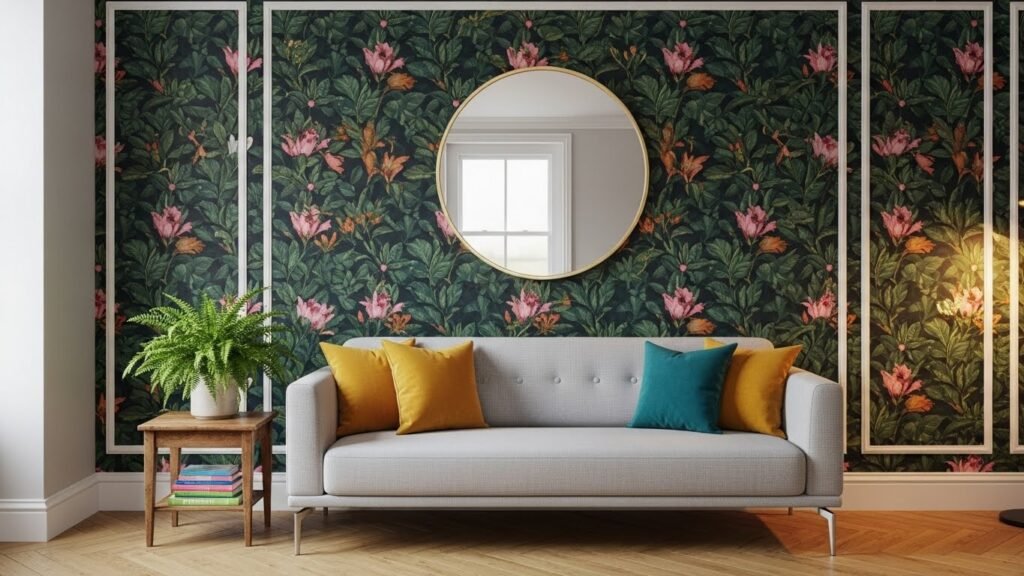
Furniture and accessories matter when featuring a bold accent wall.
Coordination strategies:
-
Light furnishings: Balance bold wall with pale upholstery or light wood
-
Pick up accent colour: Include wall colour in accessories, artwork, or textiles
-
Complementary colours: Accessories in harmonious colours to the wall
-
Minimize clutter: Let the accent wall be a statement; don’t overwhelm with busy furnishings
Simple furnishings allow the accent wall to shine.
Accent Walls in Small Spaces
Accent walls work particularly well in small rooms.
Small space advantages:
-
Greater impact: Smaller wall surface means colour seems more intense
-
Space illusion: Dark accent walls can make small rooms feel more intimate (often positive)
-
Affordable statement: A Smaller room means less paint required
-
Flexibility: Easier to change if the colour doesn’t work
Small spaces often benefit from bolder accent walls than larger ones.
Accent Walls Room by Room
Living rooms:
-
The wall behind the sofa is ideal
-
Deep jewel tones or warm earth tones work beautifully
-
Creates a gathering space focal point
Bedrooms:
-
The wall behind the bed most common
-
Calming colours preferred (blues, greens, soft burgundy)
-
Creates a restful focal point
Dining rooms:
-
The wall behind the dining table is ideal
-
Jewel tones or elegant patterns work beautifully
-
Creates a special dining atmosphere
Home offices:
-
Focus-supporting colours preferred
-
Blues and greens support concentration
-
Creates a professional appearance
Bathrooms:
-
Creates spa-like luxury
-
Jewel tones or soft pastels work beautifully
-
Creates an intimate, special atmosphere
Kitchens:
-
Often limited wall space (cabinets consume walls)
-
Accent wall behind open shelving works
-
Practical considerations important
Executing Accent Walls Successfully
Implementation process:
-
Choose wall: Consider placement for maximum impact
-
Select colour: Test thoroughly before committing
-
Prepare: Prime and prepare the wall as for full painting
-
Paint carefully: Execute with care for a professional appearance
-
Consider trim: Paint trim the same colour as the accent or differently (consider options)
-
Style space: Coordinate furnishings and accessories
-
Add complementary elements: Artwork, lighting emphasise accent
Professional execution ensures professional results.
Common Accent Wall Mistakes
Avoiding mistakes:
-
Wrong wall choice: Weak wall placement minimises impact
-
Insufficient colour: Too timid a shade loses visual impact
-
Clashing with existing decor: Doesn’t coordinate with the room palette
-
Poor execution: Uneven paint application, crooked lines
-
Over-accessorising: Competing elements distract from the accent
-
Ignoring lighting: Poor lighting diminishes colour impact
-
Choosing trendy colours: Trend-led colours date quickly (choose colours you genuinely love)
Awareness prevents these common mistakes.
Budget Accent Walls
Accent walls are genuinely budget-friendly:
-
Single-wall paint: Significantly less paint than full room
-
Test colours affordably: Try bold colours in a smaller commitment
-
Temporary wallpaper: Peel-and-stick options if renting
-
DIY application: Painting yourself saves costs
-
Maximum impact for investment: Perhaps the most design impact for cost
Accent walls offer tremendous design potential on modest budgets.
When to Change Accent Walls
Accent walls shouldn’t become permanent eyesores.
Signs it’s time to change:
-
Colour no longer excites you: Life is too short for uninspiring colours
-
Coordination challenges: Furnishings never coordinate properly
-
Trends pass: Fashion-forward colours feel dated
-
Personal preference shifts: Your taste genuinely changes
There’s no obligation to keep accent walls forever—repaint without guilt.
Conclusion
Accent walls represent accessible bold design moves. They create focal points, add personality, introduce colour with less commitment, and provide maximum design impact for investment. Whether you choose deep jewel tones, patterned wallpaper, or textured treatments, accent walls elevate spaces dramatically. If you’re hesitant about bold design, start with accent walls. Test colours, build confidence, discover what genuinely moves you aesthetically. The result will be spaces with personality, intention, and genuine character—the hallmarks of beautiful, thoughtfully decorated homes.
