
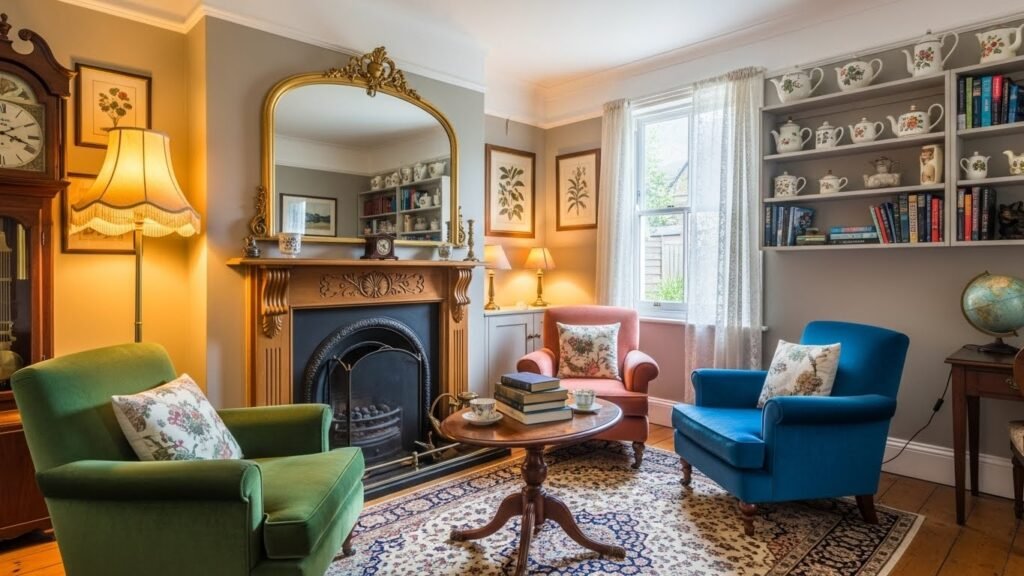
Vintage decoration tells stories. Each piece carries history—where it’s been, who owned it, what era it represents. Vintage homes feel collected, personal, and far more interesting than spaces filled with mass-produced contemporary pieces. The beautiful part? Vintage decoration is economical, sustainable, and creates homes that genuinely never feel dated.
This guide shares how to incorporate vintage elements into your British home without it feeling like a museum or an elderly relative’s house.
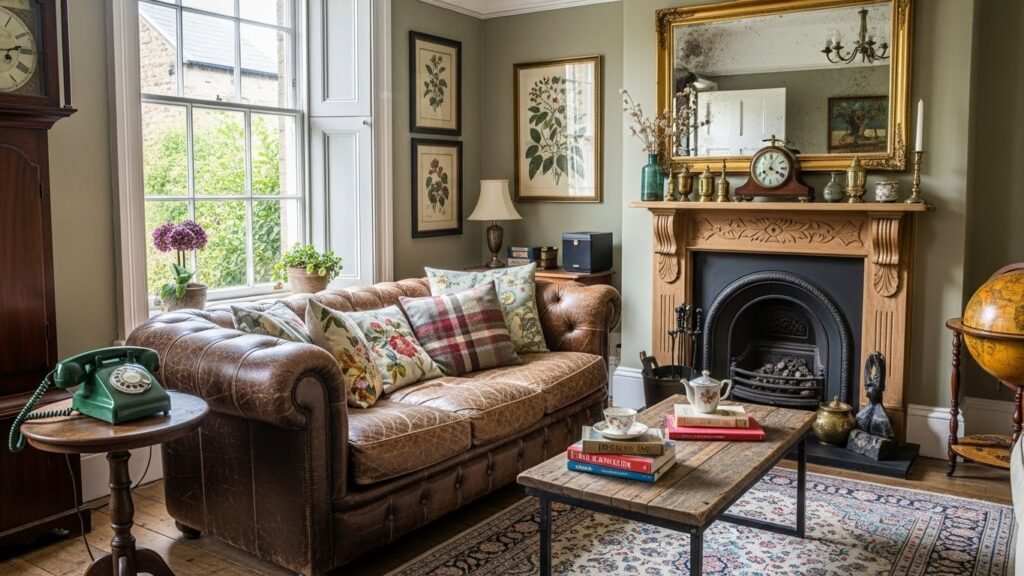
Understanding Vintage Style
Vintage isn’t one aesthetic—it encompasses multiple eras and styles:
-
1920s-1930s: Art Deco elegance, geometric patterns, luxury materials
-
1940s-1950s: Mid-century modern, clean lines, functional beauty
-
1960s-1970s: Bold colours, organic patterns, artistic experimentation
-
1980s-1990s: Postmodern eclecticism, maximalism, cultural diversity
-
Specific styles: Victorian, Georgian, Edwardian, Arts and Crafts
The key is choosing eras that speak to you personally. You don’t need to commit exclusively to one era—mixing vintage periods creates interest.
Finding Authentic Vintage Pieces
Authentic vintage items differ significantly from vintage-inspired reproductions.
Where to find genuine vintage:
-
eBay: Enormous selection, searchable by era, price, condition
-
Facebook Marketplace: Local sellers, no shipping costs, negotiable prices
-
Charity shops: Dunelm-affiliated shops, British Heart Foundation, Oxfam often stock furniture
-
Antique markets and fairs: Higher prices but curated, authentic selection
-
Estate sales and auctions: Beautiful pieces from homes being cleared
-
Independent antique dealers: Specialise in particular eras or styles
-
Etsy (vintage sellers): Vetted sellers, global options, clear descriptions
-
Car boot sales: Local treasures at bargain prices
-
Freecycle and Buy Nothing groups: Free vintage items from neighbours
Authenticity matters—true vintage has character that reproductions can’t replicate.
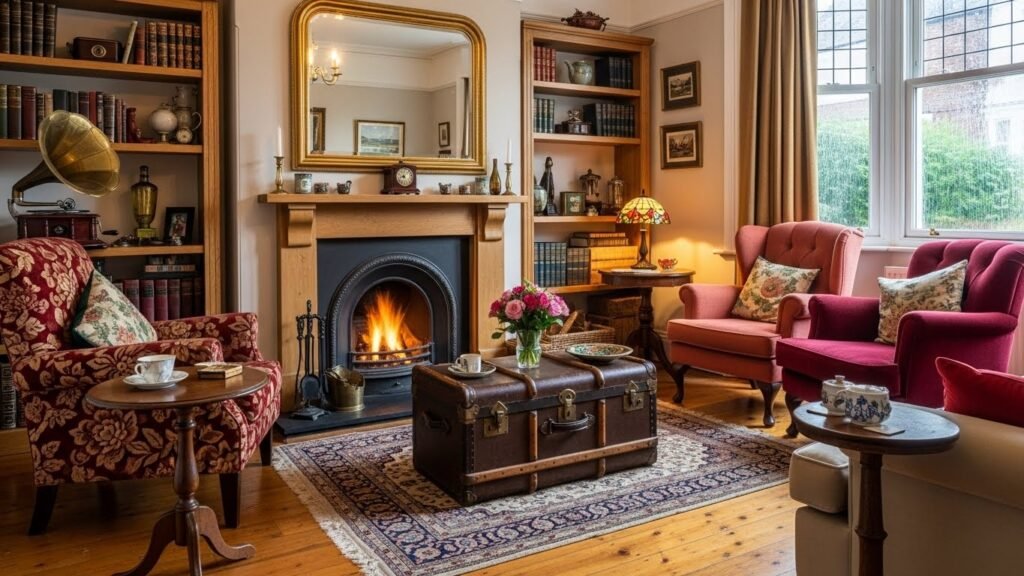
Mixing Vintage Eras
One common vintage decoration mistake: sticking rigidly to one era. Real homes mix periods. The skill is choosing pieces that speak to each other visually.
Principles for mixing vintage eras:
-
Shared colour palette: Ensure different-era pieces share colours for cohesion
-
Quality level: Mix high-end pieces with bargain finds—this feels authentic
-
Proportion: Balance large statement pieces with smaller supporting items
-
Style thread: Perhaps all pieces share minimalist lines, or all embrace ornamentation
-
Avoid chaotic mixing: Some pieces work together more naturally than others
A Victorian mirror with mid-century furniture and 1980s art can coexist beautifully if colours and proportions align.
Vintage Furniture
Vintage furniture is often superior to contemporary alternatives: better construction, solid materials, genuine craftsmanship.
Vintage furniture to seek:
-
Mid-century wooden furniture: Solid wood, beautiful grain, timeless design
-
Victorian or Edwardian pieces: Heavy, ornate, impressive presence
-
Chesterfield sofas: Classic, luxurious, increasingly valuable
-
Vintage desks and shelving: Storage with character
-
Wooden tables: Dining, side, or coffee tables with history
-
Upholstered chairs: Statement pieces that anchor rooms
Vintage furniture might need reupholstering or refinishing—consider this in your budget. Often worth the investment for quality pieces.
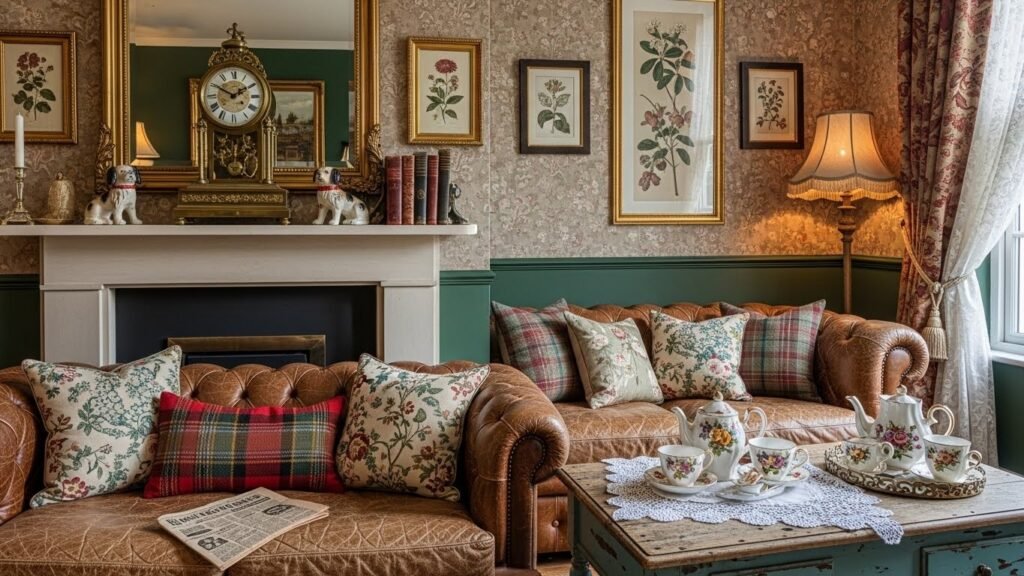
Vintage Textiles
Vintage fabrics and textiles add warmth and character.
Vintage textile sources:
-
Vintage rugs: Kilims, Persian rugs, 1970s geometric rugs
-
Vintage curtains: Heavy velvets, floral prints, geometric patterns
-
Vintage cushion covers: Mix with modern cushion fills
-
Tapestries and wall hangings: Bohemian or art-focused pieces
-
Vintage bedding: Patchwork quilts, vintage linens, character-filled pieces
-
Throws and blankets: Wool, silk, or cotton vintage pieces
Vintage textiles often last better than contemporary alternatives and age beautifully.
Vintage Accessories and Collectibles
Small vintage pieces create personality and tell stories.
Vintage accessories to collect:
-
Ceramics and pottery: Vintage plates, bowls, vases (display on shelves)
-
Glass items: Vintage glassware, decorative pieces, chandeliers
-
Mirrors: Ornate, geometric, or art deco vintage mirrors
-
Artwork: Prints, paintings, and photographs from various eras
-
Books: Vintage book collections, first editions, beautiful covers
-
Candlesticks and lighting: Vintage lamps, sconces, candle holders
-
Decorative items: Vintage boxes, trays, figurines, sculptures
-
Clocks: Vintage timepieces as functional art
Display these items intentionally—grouped on shelves or in gallery walls rather than scattered randomly.
Vintage Colour Palettes
Different vintage eras carry distinct colour associations.
Vintage colour by era:
-
Victorian: Deep jewel tones, rich golds, dramatic contrasts
-
Art Deco: Black, white, gold, geometric vibrancy
-
Mid-century: Warm wood tones, mustard, teal, burnt orange
-
1970s: Burnt orange, avocado green, chocolate brown, cream
-
1950s: Soft pastels, turquoise, coral, pale pink
Choose a vintage era’s colour palette to create cohesion even when mixing time periods.
Vintage Lighting
Vintage lighting is both functional and decorative.
Vintage lighting options:
-
Chandelier: Ornate or modern style, depending on the era
-
Table lamps: Statement bases with interesting shades
-
Wall sconces: Beautiful metalwork and glass combinations
-
Floor lamps: Mid-century arcs or vintage brass stands
-
Pendant lights: Hanging fixtures with character
Ensure vintage lighting is rewired safely (consult an electrician if unsure).
Avoiding Common Vintage Decoration Mistakes
Too much clutter: Vintage doesn’t mean every surface covered. Curate carefully.
Mixing incompatible eras: Ensure pieces share visual language or colour cohesion.
Neglecting quality: Vintage doesn’t mean damaged or broken. Choose well-maintained pieces.
Themed excess: A Victorian room doesn’t need every single item from 1890. Mix thoughtfully.
Poor lighting: Vintage pieces need proper lighting to show their beauty.
Styling Vintage Collections
Once you’ve sourced pieces, styling matters enormously.
Vintage styling principles:
-
Group by era or colour: Create intentional arrangements
-
Vary heights: Display plates vertically, stack books horizontally, hang mirrors
-
Include negative space: Don’t fill every shelf edge-to-edge
-
Create vignettes: Small curated groupings feel designed
-
Rotate displays: Change what’s visible seasonally or regularly
Thoughtfully styled vintage collections look collected and intentional rather than cluttered.
Maintaining Vintage Pieces
Vintage items require some care:
-
Regular dusting: Prevents grime accumulation
-
Gentle cleaning: Use appropriate methods for materials
-
Storage protection: Climate control prevents deterioration
-
Preventative maintenance: Address issues before they worsen
-
Professional restoration: For valuable pieces, consult experts
Well-maintained vintage pieces improve with age rather than deteriorate.
Budget Vintage Decoration
Vintage decoration needn’t be expensive:
-
Charity shops: Extraordinary bargains, support charities
-
Facebook Marketplace: Often cheaper than specialty shops
-
Estate sales: Sometimes underpriced
-
Online auctions: Competitive bidding but often fair prices
-
Boot sales: Early birds find best deals
You can furnish entire homes from charity shops at a fraction of the new furniture cost.
Conclusion
Vintage decoration creates homes filled with character, history, and personality. Every piece tells a story—where it’s from, who owned it, what it’s survived. That history is genuinely beautiful. Your vintage-decorated home isn’t following a trend—it’s timeless by definition. That’s the true luxury: decoration that never dates because it’s already from the past.
