
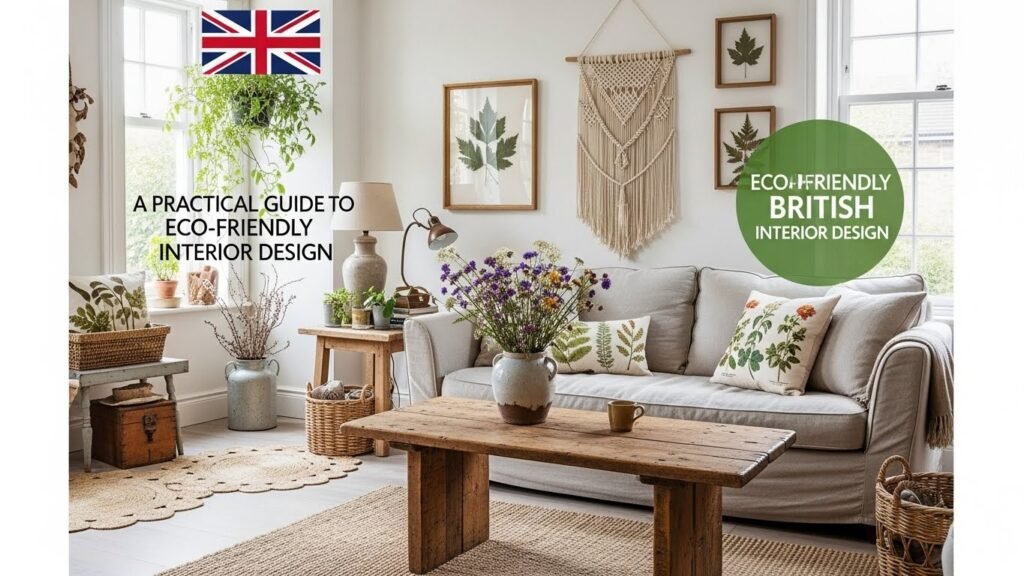
The British have a natural appreciation for heritage, history, and the idea of “making do.” This cultural value, combined with growing environmental awareness, makes sustainable home decoration not just ethical but genuinely achievable. The beautiful part? Sustainable decoration often looks more interesting, more personal, and more sophisticated than mass-produced alternatives.
This guide shares how to decorate your British home in an environmentally conscious way—without sacrificing style or breaking your budget.
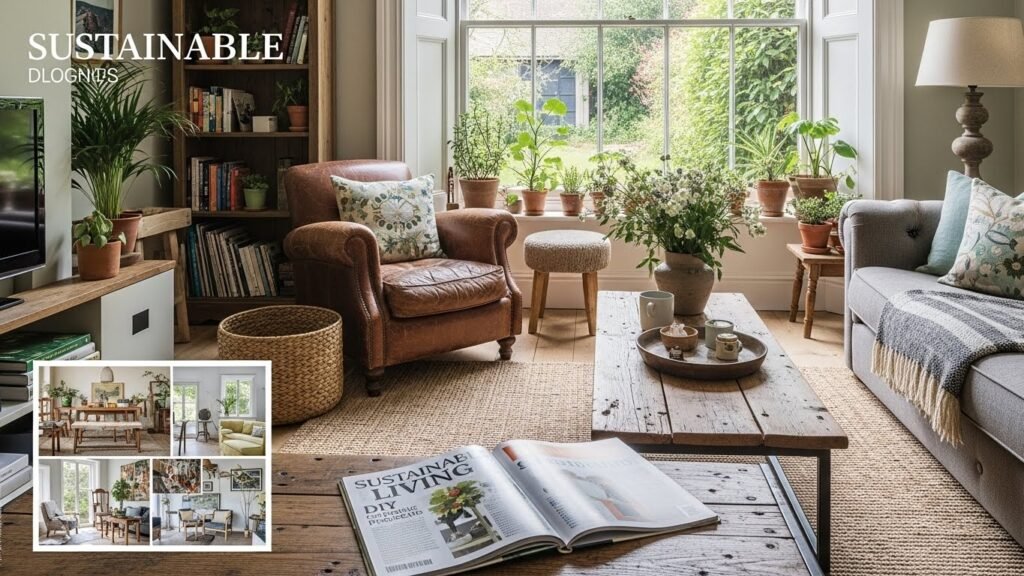
The Philosophy Behind Sustainable Decoration
Sustainable decoration isn’t about deprivation or compromise. Rather, it’s about conscious choices: choosing second-hand, prioritising quality over quantity, supporting small makers, and investing in pieces that will last decades rather than seasons.
The resulting homes are often more beautiful than those created from fast furniture stores. They have character, history, and personality that new mass-produced items simply can’t match.
Embrace Second-Hand and Vintage Furniture
This is the cornerstone of sustainable decoration. Second-hand furniture is environmentally superior (no new production, no packaging waste), often better quality than new alternatives, and invariably cheaper.
Where to find second-hand furniture in the UK:
-
Facebook Marketplace and eBay: Endless supply of vintage treasures
-
Charity shops: Furniture, accessories, artwork at bargain prices (support charities simultaneously)
-
Reclamation companies: Authentic vintage and reclaimed materials
-
Antique markets and fairs: Higher-end pieces, though also pricier
-
Estate sales and auctions: Hidden gems, particularly in period furniture
-
Freecycle or Buy Nothing groups: Free items others are giving away
Quality vintage furniture often outlasts new pieces by decades. A vintage chest of drawers is likely superior to its modern equivalent and comes with beautiful patina and history.
Pro tip: Choose timeless styles (mid-century modern, Victorian, Arts and Crafts) over trend-led pieces. They’ll remain beautiful indefinitely.
Upcycle and Repurpose What You Have
Before buying anything new, look at what you already own through fresh eyes. Can it be refreshed, repainted, or repurposed?
Upcycling ideas:
-
Chalk paint old furniture: Transform dated pieces into contemporary design
-
Reupholster chairs and sofas: New fabric completely changes the aesthetic
-
Paint wooden pieces: Worn wooden furniture becomes contemporary with fresh paint
-
Hardware swaps: Changing handles and knobs revitalises storage furniture
-
Creative repurposing: Old wooden doors become shelving, old ladders become plant stands, vintage suitcases become storage
Upcycling reduces waste whilst creating unique pieces you won’t find anywhere else. Each item has a story.
Choose Sustainable Materials
When purchasing new items, prioritise sustainable materials:
Sustainable material choices:
-
FSC-certified wood: Sustainably harvested, marked with certification logo
-
Reclaimed wood: Salvaged from demolished buildings, often more beautiful than new wood
-
Natural fibres: Linen, cotton, hemp, wool, jute—all renewable and durable
-
Recycled materials: Recycled plastic, recycled glass, recycled metals
-
Cork: Renewable, durable, beautiful
-
Bamboo: Fast-growing, sustainable alternative to hardwoods
-
Low-VOC paint: Paint with minimal volatile organic compounds, healthier for homes and the environment
Reading labels matters. Certifications like FSC (forest stewardship), Fair Trade, and organic labelling tell you about a product’s environmental and ethical impact.
Support Small Makers and Artisans
Mass-produced home decor carries environmental costs (transportation, packaging, manufacturing waste). Small makers and artisans typically produce items with lower environmental impact and often use sustainable materials.
Where to find small makers:
-
Etsy: Massive selection of handmade, vintage, and sustainable items
-
Independent makers’ websites: Direct from the creator
-
Craft fairs and markets: Buy directly, meet makers
-
Local galleries and studios: Support local artists and craftspeople
Buying from small makers supports livelihoods whilst typically resulting in higher-quality, more unique pieces.
Waste-Free Decorating Strategies
Reduce packaging:
-
Buy local when possible (less packaging and transportation)
-
Buy in bulk (paper, string, etc.)
-
Reuse and repurpose packaging materials
Prevent waste:
-
Invest in quality pieces that last for decades
-
Choose versatile items that work across style changes
-
Avoid trend-led purchases
-
Purchase only what you genuinely need
Recycle thoughtfully:
-
Donate items you no longer use rather than discarding them
-
Organise clothing swaps with friends
-
Sell items online if they’re in good condition
-
Recycle responsibly when items are genuinely unusable
Natural Textiles and Fabrics
When purchasing new textiles (cushions, throws, curtains, rugs), choose natural, sustainable options.
Sustainable fabric choices:
-
Organic cotton: Grown without synthetic pesticides or fertilisers
-
Linen: Durable, gets softer with age, minimal environmental impact
-
Wool: Renewable, naturally flame-resistant, long-lasting
-
Hemp: Incredibly durable, soft (especially when blended)
-
Peace silk: Produced without killing silkworms
-
Recycled fabrics: Increasingly available, good environmental choice
Natural textiles might cost more initially, but they last significantly longer and improve with age, making them economical long-term.
Eco-Friendly Paint and Finishes
Traditional paint contains volatile organic compounds (VOCs) that off-gas toxic fumes. Low-VOC and no-VOC paints are increasingly available and cost only marginally more.
Eco-conscious paint brands:
-
Little Greene: British brand, traditional paints, beautiful colours
-
Farrow & Ball: Premium, historic colours, increasingly expanding eco options
-
Dulux: Budget option, offers a low-VOC range
-
Ecos: Specific brand focused on eco-friendly, natural paints
-
Earthborn: Natural paints from renewable resources
Eco-friendly paints work just as well as conventional options, whilst being healthier for your home and the environment.
Sustainable Flooring Choices
Hard flooring (compared to carpet) is generally more sustainable. Within hard flooring options:
Sustainable flooring:
-
Reclaimed wood: Salvaged from old buildings, with beautiful patina
-
Bamboo: Fast-growing, renewable, durable
-
Cork: Naturally renewable, warm, acoustically helpful
-
FSC-certified wood: Sustainably harvested
-
Recycled tiles: Reclaimed or manufactured from recycled materials
-
Natural stone: Durable, long-lasting, and can be locally sourced
Avoid: mass-produced laminate, synthetic vinyl, anything requiring extensive transportation.
Lighting with Lower Environmental Impact
Sustainable lighting choices:
-
LED bulbs: Use 75% less energy than incandescent, last 25+ years
-
Solar lights: For outdoor areas, free energy
-
Vintage/restored lighting: No new manufacturing, beautiful patina
-
Efficient fixtures: Modern designs often use 30-50% less energy
Combine sustainable lighting with natural light maximisation: mirrors, light colours, and unobstructed windows reduce your need for artificial light.
Natural Decoration Elements
Instead of plastic or synthetic décor, use natural elements:
-
Real plants and flowers: Bring life, improve air quality
-
Natural wood: Branches, wood pieces, driftwood as display items
-
Stone and rocks: Natural, beautiful, durable
-
Dried grasses and pampas: Sustainable alternatives to fresh flowers
-
Woven natural fibres: Baskets, placemats, lampshades from natural materials
These elements age beautifully and never feel dated.
Seasonal Decoration Sustainably
Rather than buying new seasonal décor annually:
-
Store and reuse: Beautiful pieces used year after year
-
Repurpose natural elements: Seasonal flowers, branches, and greenery from your garden
-
DIY seasonal touches: Create decorations from natural materials
-
Minimal, intentional changes: One or two seasonal updates rather than complete overhauls
Seasonal decoration should enhance, not replace, your year-round style.
Your Sustainable Decoration Action Plan
Month 1: Audit what you own. What can be upcycled? What serves you? Donate unused items.
Month 2: Source one or two second-hand pieces to replace something new you might buy.
Month 3: Refresh existing furniture through painting or repurposing.
Ongoing: Make conscious purchasing choices, support small makers, and choose sustainable materials.
Sustainable decoration isn’t an all-or-nothing endeavour. Every conscious choice matters. Start somewhere, make one sustainable decision, and build from there.
Conclusion
Decorating sustainably isn’t about sacrifice. It’s about being intentional, supporting craftsmanship, and making choices aligned with your values. British heritage actually supports this beautifully—our cultural appreciation for vintage, handmade, and well-made items means sustainable decoration feels natural and right. Create a home that’s beautiful, personal, and kind to the environment. That’s the true luxury of conscious design.
